Sasha Stiles is a Poet and Artist
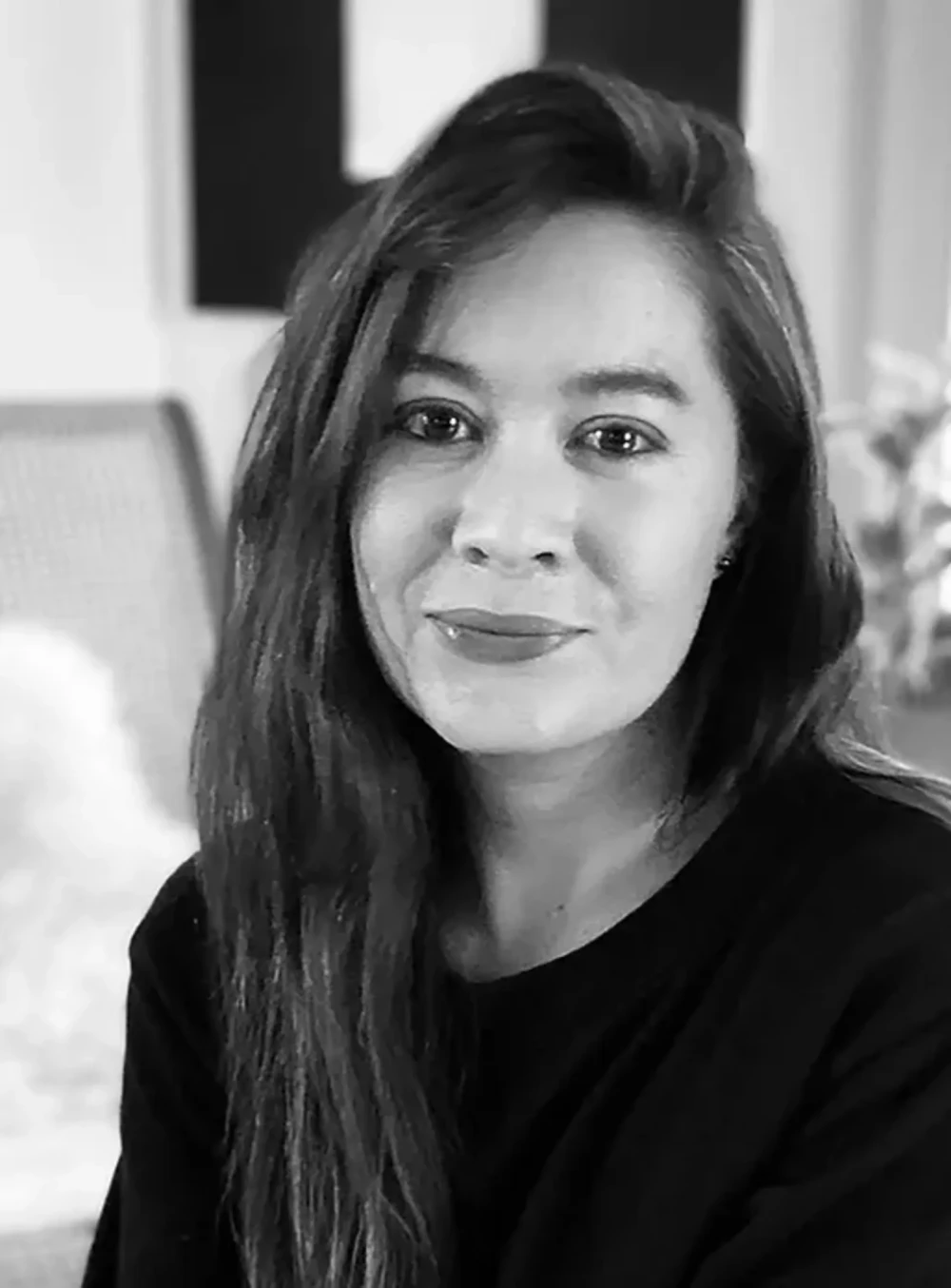
Sasha Stiles is a poet, artist and AI researcher whose transmedia practice reframes poetry as both art and technology — a means of encoding human experience across space and time.
This interview was conducted by Xinran Yuan on behalf of APOSSIBLE.
Xinran
What is a ritual, practice, or routine in your life that is important for your psychological wellbeing and/or fulfillment? Why?
Sasha
Walking. Alone. Especially in nature, but also through city streets. The rhythm of my body always seems to unlock doors in my mind and is an antidote to the stillness that is, for me, an inescapable part of being a writer and media artist. Sometimes I walk in silence, sometimes I walk listening to a book or podcast; sometimes I’m drinking in everything around me, sometimes I’m lost in my own thoughts. In any case, my walks are when I feel most creative and when my mind and body feel most in sync.
Xinran
What is a human-made creation that brings out the best in you? Why?
I am utterly in love with physical books
Sasha
Books. I am utterly in love with physical books, especially ones designed with thought and care and craft, whether it’s a brilliant, brand-new zine or a gorgeous, crumbling tome in an ancient corner of a library. The book object is a completely immersive, haptic, multi-sensorial experience, a virtual reality, an AR filter. The heavenly juxtaposition of being tethered to physicality via the smell of its pages, the sound of them turning, the lick of a finger, the faintest taste of ink and pulp, the visual thrill of the shapes and materials of letters and illuminations, while experiencing the transcendent powers of language — the ability to instantly be in someone else’s imagination or curiosity — is just exhilarating to me.
Xinran
When do you cherish the slow or hard way of doing something? Why?
Sasha
Writing tends to be slow and hard, which is what makes it pleasurable. Even if it feels fast, it’s not. Even when a poem is pouring out of me onto a page, that moment of flow has been hard-won, earned through experience and research and consideration and all the reading and writing I’ve ever done, really. A poem itself is extremely efficient, supremely compressed, but the process rarely is. When I’m writing with an AI model, too, I’m keenly aware of what’s under the hood, the minutiae of the data I’m organizing and infusing, my obsession over every single character in every single line in the code of my training set, all the time and effort and energy of all the people who’ve contributed in their way to what feels like an instantaneous output, all the time I spend prompting and re-prompting, editing, curating, all the time I give over to running down both the dead ends and new paths of creative possibility that AI opens up.
At its core, writing is an exercise in diligence and patience — the patience to revisit and reconsider and revise, to test a word or metaphor or punctuation mark over and over again until the entire machine of a poem or paragraph is debugged and humming. Being completely lost to that process is the epitome of pure attention and presence, yet you’re building something to last, and you’re building it on other things that have lasted. Writing is a process of meticulously engineering fleeting emotions and ideas into something stable and communicable, perhaps the only thing that’s actually immortal, able to travel through space and time, like how images from elsewhere in the cosmos get beamed back to us in binary digits. If you do it right, what you’ve crafted is so supremely efficient that your particular hard work never has to be done again, only revisited and refracted into something new.
A poem itself is extremely efficient, supremely compressed, but the process rarely is.
Xinran
What is something you appreciate or long for from the past? Why?
Sasha
I so appreciate the art of scribing —something that has become rarer and rarer. I so love the intimacy and individuality of handwriting, which says so much in and of itself, from the pressure of the pencil nib, bleary erasures, the flow of ink, the choice of instrument, the tidiness or messiness, flourished or frank script, the way each stroke captures an unrepeatable gesture, a vanished movement, a moment in time.
There’s something profoundly poetic about knowing that what you’re writing isn’t bodiless data but a physical object that carries a part of you with it — an extension of self that can be touched, held, deciphered, understood, preserved. It’s a profound connection between mind, body and the world around us. I love the glitches and flaws that creep in. I think this is why I’ve always been so drawn to hand-scribed illuminated manuscripts, annotations done by hand, calligraphy, and why I still need an old-fashioned paper diary to keep track of my schedule. And probably why the act of signing my hard copy books is such a meaningful and sacred ritual to me.
This is part of our Interview Series. Join our newsletter to receive updates weekly by email.